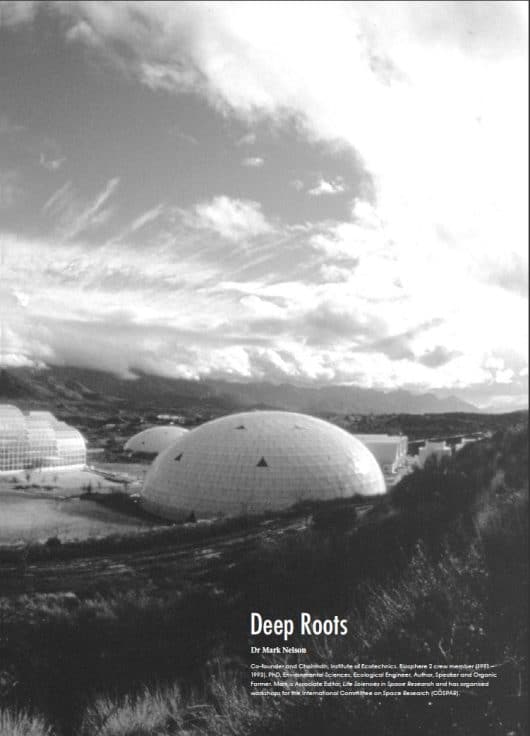

 The Institute of Ecotechnics thinks and acts on a planetary scale. What drives our work is the realization that our current ecological crisis is the growing imbalance between the “technosphere” and “biosphere.” This was why we set our goal to develop systems where technology is designed to work in harmony with the ecology.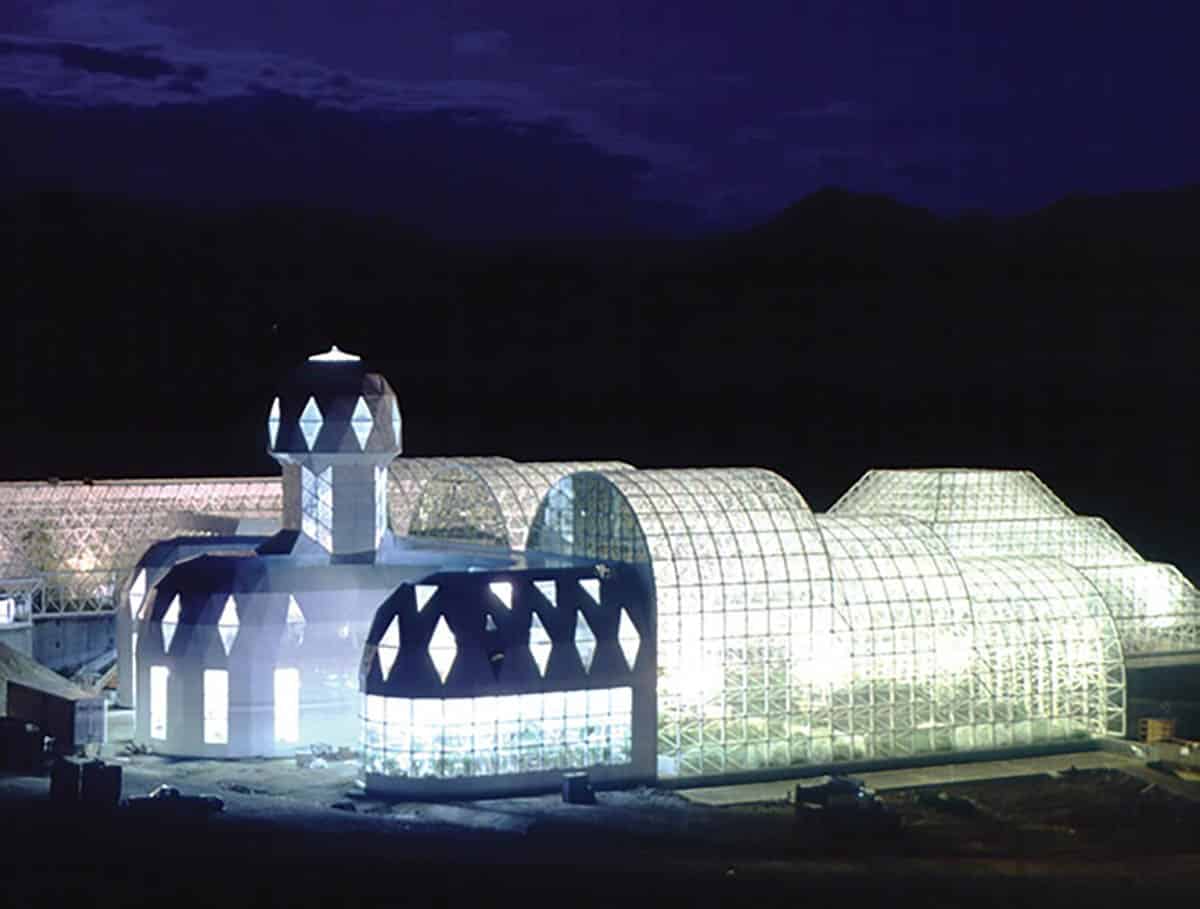
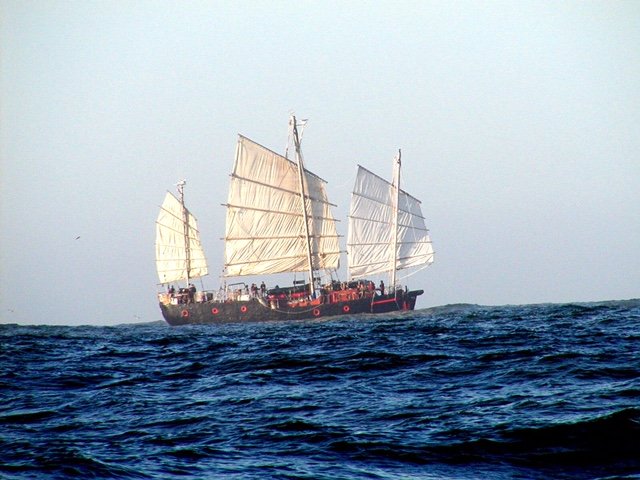



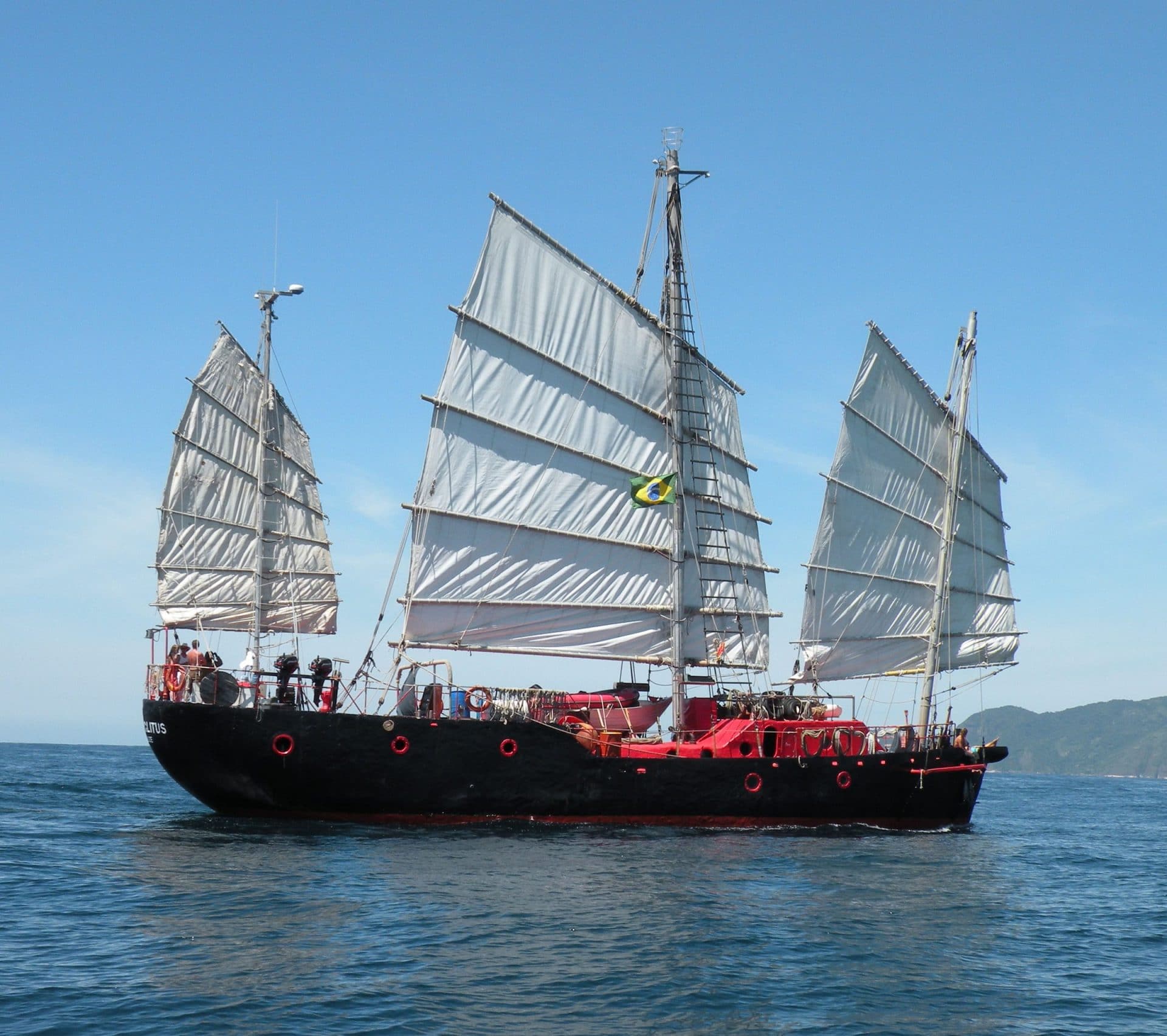


Research Vessel Heraclitus Nears Completion
After a number of years of rebuilding the ship in its cocoon in Rosés, Spain, the Heraclitus has at last a new hull! The R/V Heraclitus is one of a handful of larger sailing vessels in the world with a ferrocement hull. 84 feet in length, the new hull of the ship...